
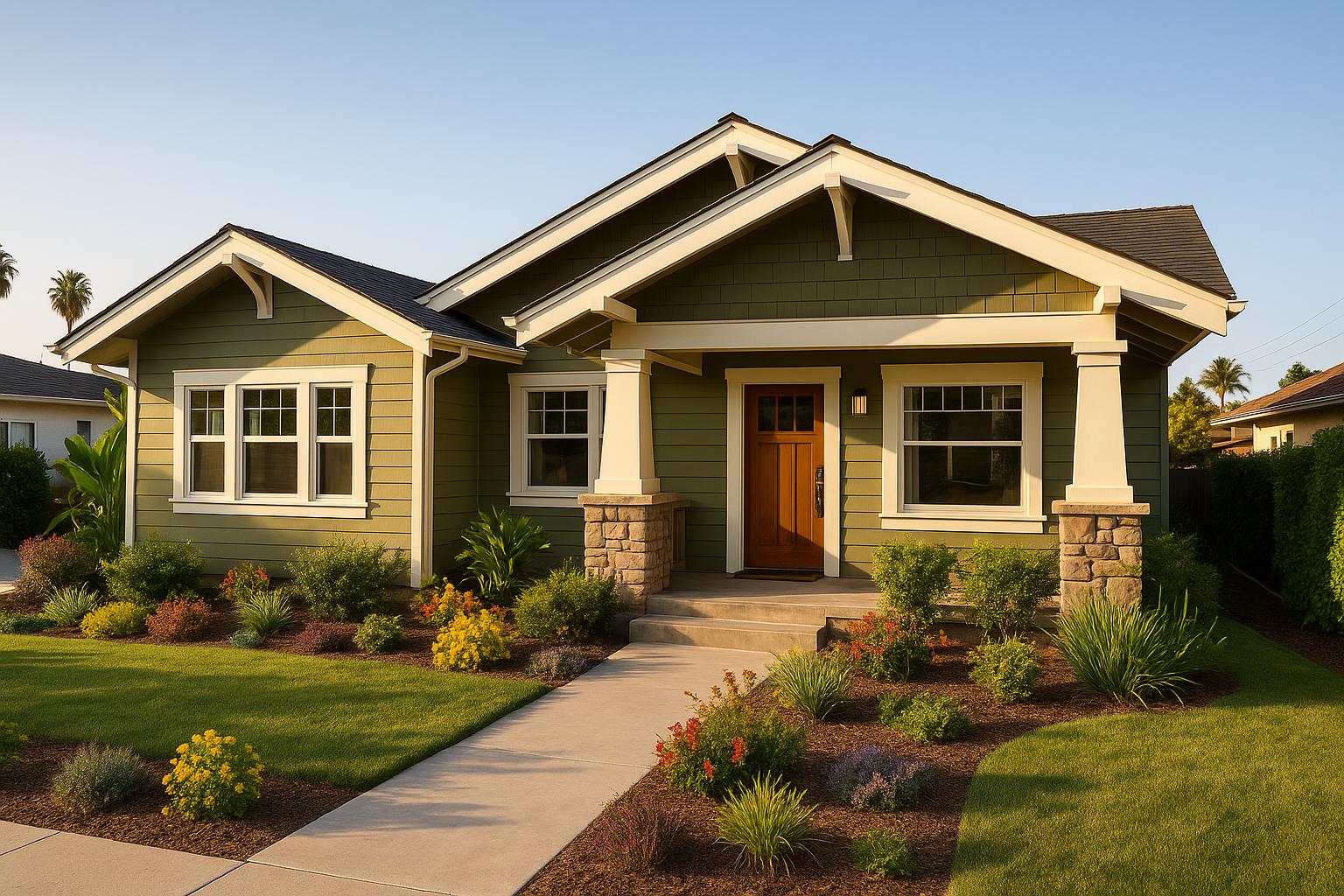
Why San Diego Homeowners Are Choosing Room Additions Over Moving
San Diego's housing market has made moving an expensive proposition. Between rising home prices, competitive bidding wars, and the emotional cost of uprooting your family from a neighborhood you love, many homeowners are choosing to stay put and expand instead. A well-planned room addition lets you get the space you need — whether it's an extra bedroom, a home office, or a larger living area — without giving up the community, schools, and lifestyle you've already built.
But a room addition is one of the biggest remodeling projects you can take on. It involves structural work, permits, inspections, and dozens of decisions that affect your budget and timeline. At Wildwood Foundation Pros, we've helped homeowners across San Diego, La Jolla, Chula Vista, and surrounding communities navigate this process successfully. Here's what you need to know before you break ground.
Start With the "Why" Before the "What"
Before you start sketching floor plans, get clear on why you need the extra space. This sounds obvious, but skipping this step is one of the most common reasons homeowners end up disappointed with the result.
- Growing family: Do you need another bedroom, a second bathroom, or both?
- Remote work: A dedicated home office with proper lighting, soundproofing, and separation from the rest of the house can dramatically improve your productivity and quality of life.
- Aging in place: A ground-floor primary suite or accessible bathroom addition can make your home livable for decades to come.
- Entertainment and lifestyle: Maybe you want a great room that opens to the backyard, or a sunroom that takes advantage of San Diego's year-round sunshine.
- Resale value: Some additions offer a strong return on investment, while others can actually hurt your home's value if they don't match the neighborhood.
Once you understand your motivation, every decision that follows — from the size and location of the addition to the materials and finishes — becomes much easier.
Understanding San Diego Permits and Zoning
Room additions in San Diego require building permits, and the process involves navigating the city's zoning regulations, setback requirements, and building codes. This is not optional. Unpermitted work can result in fines, forced removal, and serious complications when you try to sell your home.
Here are a few things to be aware of:
- Setback requirements: The City of San Diego has rules about how close you can build to your property lines. These vary by zone and can significantly affect where your addition can go.
- Floor Area Ratio (FAR): There are limits on how much of your lot can be covered by structures. Your addition needs to stay within these limits.
- Height restrictions: If you're considering a second-story addition, height limits and view corridor regulations may apply, especially in coastal areas like La Jolla and Coronado.
- HOA rules: If your home is in a community with a homeowners association, you may face additional design restrictions and approval processes.
A reputable remodeling contractor will handle the permit process for you, but it's important to understand that permits add time to your project. In San Diego, plan review can take several weeks, and that's before construction begins.
Budgeting Realistically for Your Room Addition
Room additions are a significant investment, and one of the biggest mistakes homeowners make is underestimating the true cost. The price per square foot for a room addition in San Diego typically ranges from $250 to $500 or more, depending on the complexity of the project.
Factors that affect your budget include:
- Foundation work: Every addition needs a proper foundation, and soil conditions in different parts of San Diego can affect the cost.
- Roofing integration: Tying a new roof into your existing roofline requires skilled craftsmanship to avoid leaks and maintain curb appeal.
- Electrical, plumbing, and HVAC: Your existing systems may need to be upgraded to handle the additional load.
- Finishes and fixtures: Flooring, paint, lighting, cabinetry, and other finishes can vary widely in cost.
- Permits and engineering: Structural engineering reports, soil tests, and permit fees add to the overall budget.
We always recommend setting aside a contingency of 10 to 15 percent of your total budget for unexpected issues. Older homes in neighborhoods like El Cajon and National City sometimes reveal surprises once walls are opened up — outdated wiring, plumbing that doesn't meet current code, or structural issues that need to be addressed.
Design Tips That Make Your Addition Feel Like It Belongs
The best room additions look and feel like they were always part of the original house. Achieving this takes thoughtful design and attention to detail.
Match the Exterior
Use the same or complementary siding, roofing materials, and window styles as your existing home. A mismatched addition sticks out and can hurt your home's curb appeal and resale value.
Think About Flow
How will you move between the new space and the existing rooms? Awkward transitions — like having to walk through a bedroom to reach the new family room — can make your entire home feel disjointed. Good design creates natural circulation paths.
Maximize Natural Light
San Diego averages more than 260 sunny days per year. Take advantage of that with well-placed windows, sliding glass doors, or even skylights. Natural light makes spaces feel larger and more inviting.
Plan for Storage
New rooms often lack adequate storage because homeowners focus on open floor space. Built-in shelving, closets, and cabinetry should be part of the design from the beginning.
Choosing the Right Contractor for Your Room Addition
Your choice of contractor will make or break this project. Here's what to look for:
- Proper licensing and insurance: In California, any project over $500 requires a licensed contractor. Verify their license through the Contractors State License Board.
- Local experience: A contractor who works regularly in San Diego understands local building codes, permit processes, and the unique challenges of building in this climate and geography.
- Transparent pricing: Get a detailed written estimate that breaks down costs by category. Be cautious of bids that seem too good to be true — they usually are.
- Clear communication: Your contractor should be easy to reach, responsive to questions, and willing to explain every phase of the project.
- References and portfolio: Ask to see completed projects and speak with past clients. This gives you a realistic picture of what to expect.
The Bottom Line
A room addition is one of the smartest investments you can make in your San Diego home — if it's done right. It gives you the space you need, adds value to your property, and lets you stay in the neighborhood you love. But it requires careful planning, realistic budgeting, and a contractor you can trust.
At Wildwood Foundation Pros, we guide homeowners through every step of the process, from initial design concepts and permit applications to the final walkthrough. If you're considering a room addition in San Diego or any of the surrounding communities, we'd love to talk about what's possible for your home.